



You’ve probably heard these phrases before!
“I think my hormones are off.”
“It’s probably hormonal.”
“My doctor said everything was normal, but I still don’t feel right.”
Hormone imbalance has become one of the most commonly used health phrases online, but most people are never actually told what it means.
Because hormones are not just one thing. They are part of a complex communication system inside the body. When even one area becomes stressed, overwhelmed, or dysregulated, it can create ripple effects that impact energy, mood, sleep, weight, digestion, focus, cycles, metabolism, and more.
At Team Health Care Clinic, we often see patients who have spent years feeling “off” without clear answers. Some have been told their labs are normal. Others have tried supplements, diets, medications, or endless internet advice without understanding what is driving the problem.
So let’s break it down!
Hormones Are Your Body’s Messengers
Hormones are chemical messengers that help different parts of the body communicate with each other.
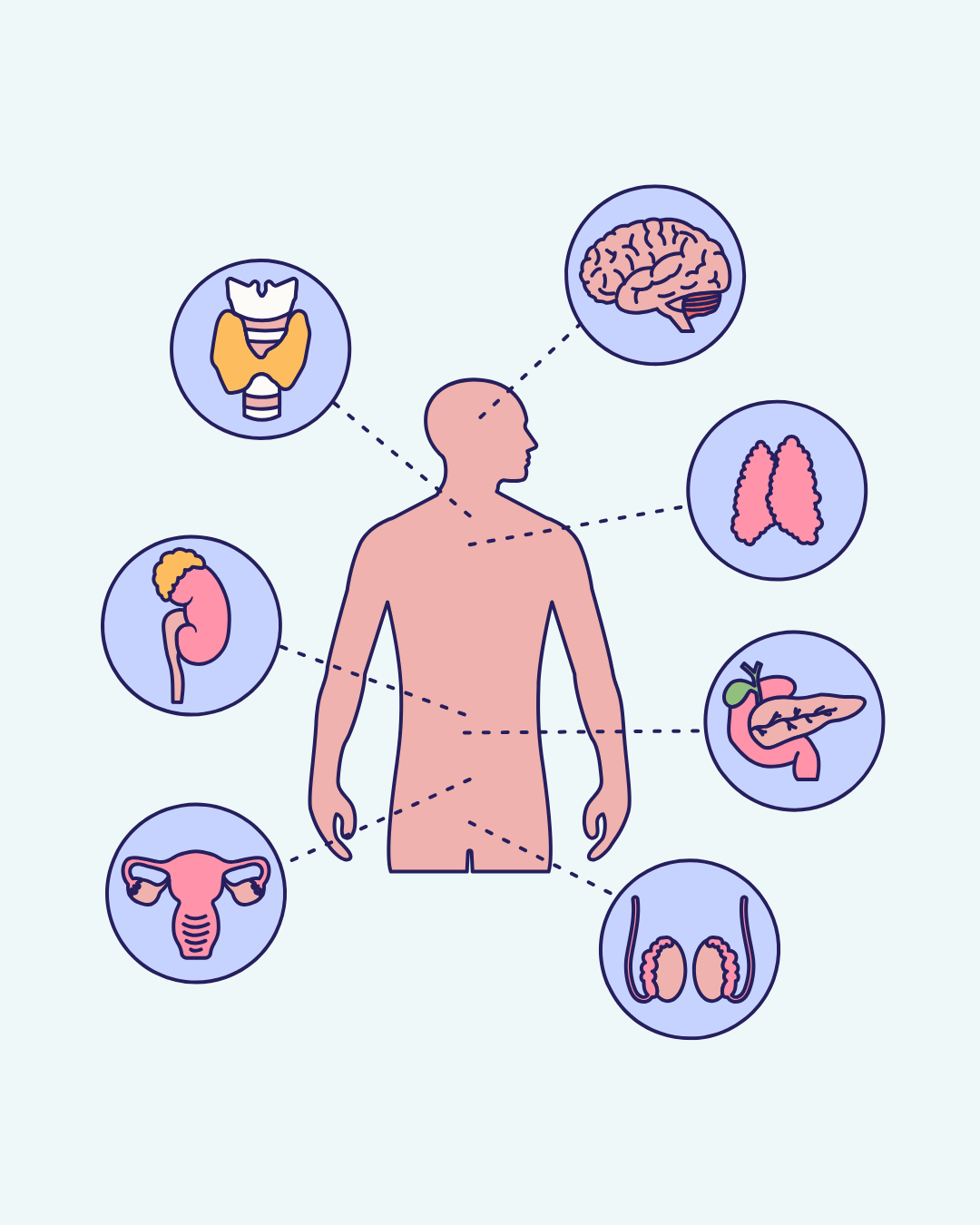
They influence things like:
- Energy levels
- Sleep
- Stress response
- Metabolism
- Blood sugar
- Fertility
- Menstrual cycles
- Mood
- Weight regulation
- Digestion
- Focus and motivation
- Body temperature
- Muscle growth and recovery
Your hormones constantly respond to your environment, lifestyle, stress levels, inflammation, nutrition, nervous system function, and overall health.
That means hormone imbalance is rarely just one isolated issue.
It’s often a sign that the body is struggling to adapt.
What People Usually Mean by “Hormone Imbalance”
Most people use the term hormone imbalance when they are experiencing symptoms that don’t feel normal for them.

For women, that might look like:
- Painful or irregular periods
- PMS
- Mood swings
- Fatigue
- Weight gain
- Hair thinning
- Difficulty sleeping
- Hot flashes
- Fertility struggles
- Low libido

For men, it may look like:
- Low energy
- Brain fog
- Decreased motivation
- Weight gain
- Reduced muscle mass
- Poor sleep
- Low libido
- Irrability
But hormone imbalance can also affect children, teenagers, and adults in ways people do not always expect.
Sometimes it shows up as anxiety, chronic stress, burnout, digestive problems, blood sugar instability, sleep disruption, or feeling exhausted even after a full night of sleep.
Hormones Don’t Work Alone
One of the biggest misconceptions is that hormones operate independently.
In reality, hormones are deeply connected to other systems in the body.
For example:
Stress and Cortisol
When your body is under chronic stress, your stress hormone cortisol can stay elevated for long periods of time.
That may affect:
- Sleep
- Weight
- Blood sugar
- Thyroid function
- Sex hormones
- Energy levels
- Mood and anxiety
This is why many people notice worsening symptoms during stressful seasons of life.
The body prioritizes survival before optimization.
Blood Sugar and Insulin
Blood sugar instability is one of the most overlooked drivers of hormonal dysfunction.
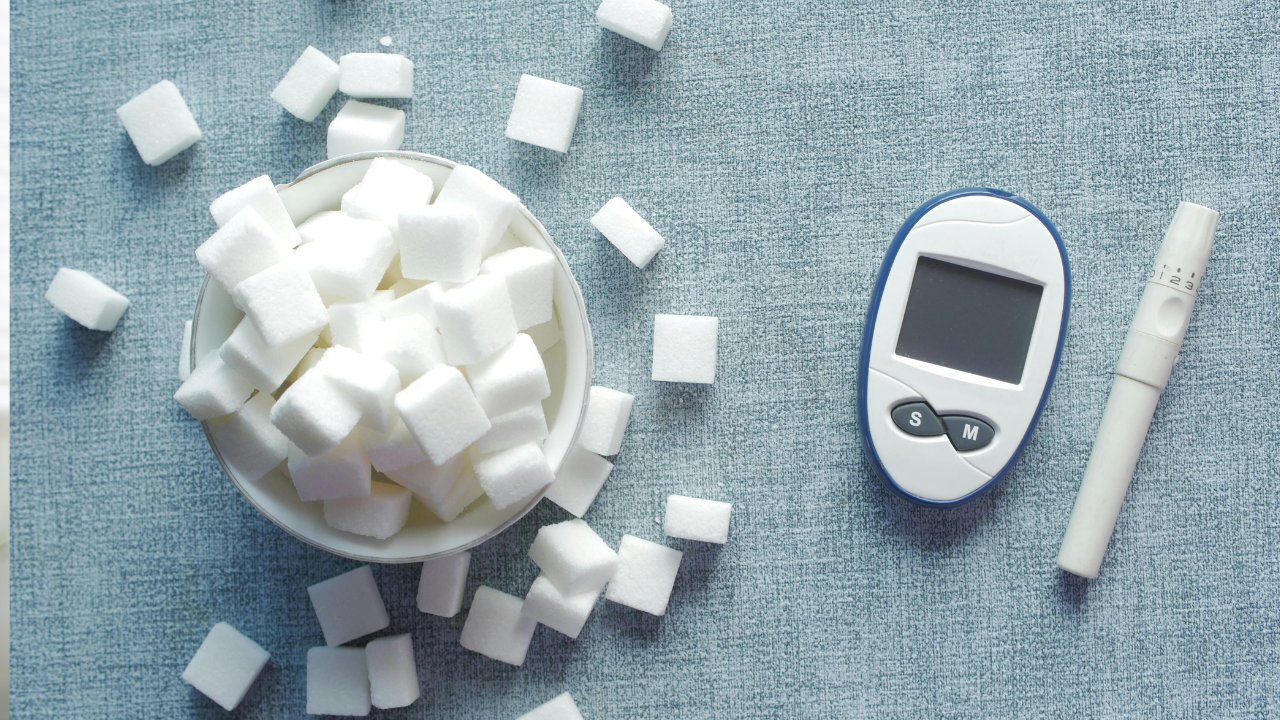
Frequent spikes and crashes can contribute to:
- Fatigue
- Cravings
- Mood swings
- Weight gain
- PCOS
- Inflammation
- Energy crashes
Many people think they have a “hormone issue” when their body is struggling with blood sugar regulation.
The Gut and Hormones
Your digestive system also plays a major role in hormone health.

Poor gut health may impact:
- Estrogen balance
- Nutrient absorption
- Inflammation
- Detoxification pathways
- Mood and neurotransmitter production
This is one reason digestive symptoms and hormone symptoms often appear together.
The Nervous System Matters Too
At Team Health Care Clinic, we often talk about the connection between the brain, body, and chemistry.
Your nervous system helps regulate communication throughout the entire body, including hormonal signaling.
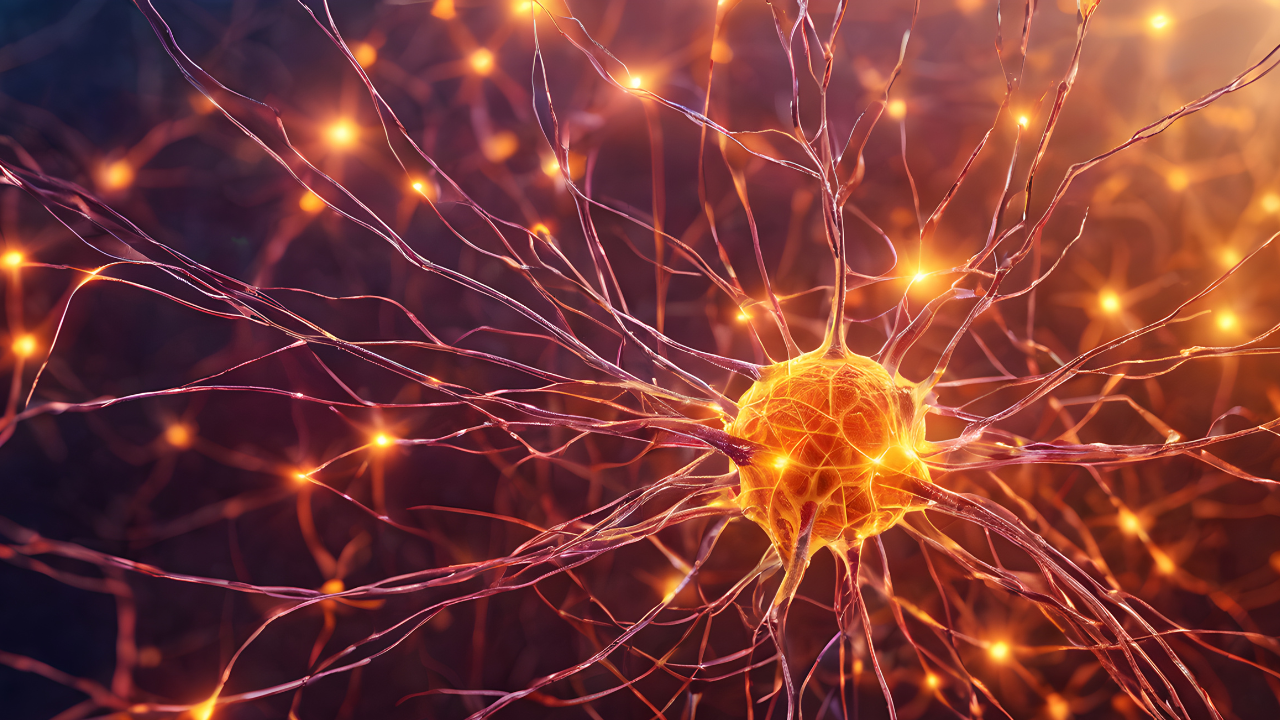
If the body is stuck in a chronic stress state, constantly overwhelmed, inflamed, exhausted, or dysregulated, hormones may struggle to function optimally.
That’s why simply “taking hormones” does not always solve the root issue.
Why “Normal” Labs Don’t Always Mean You Feel Normal
This is one of the most frustrating parts for many patients.
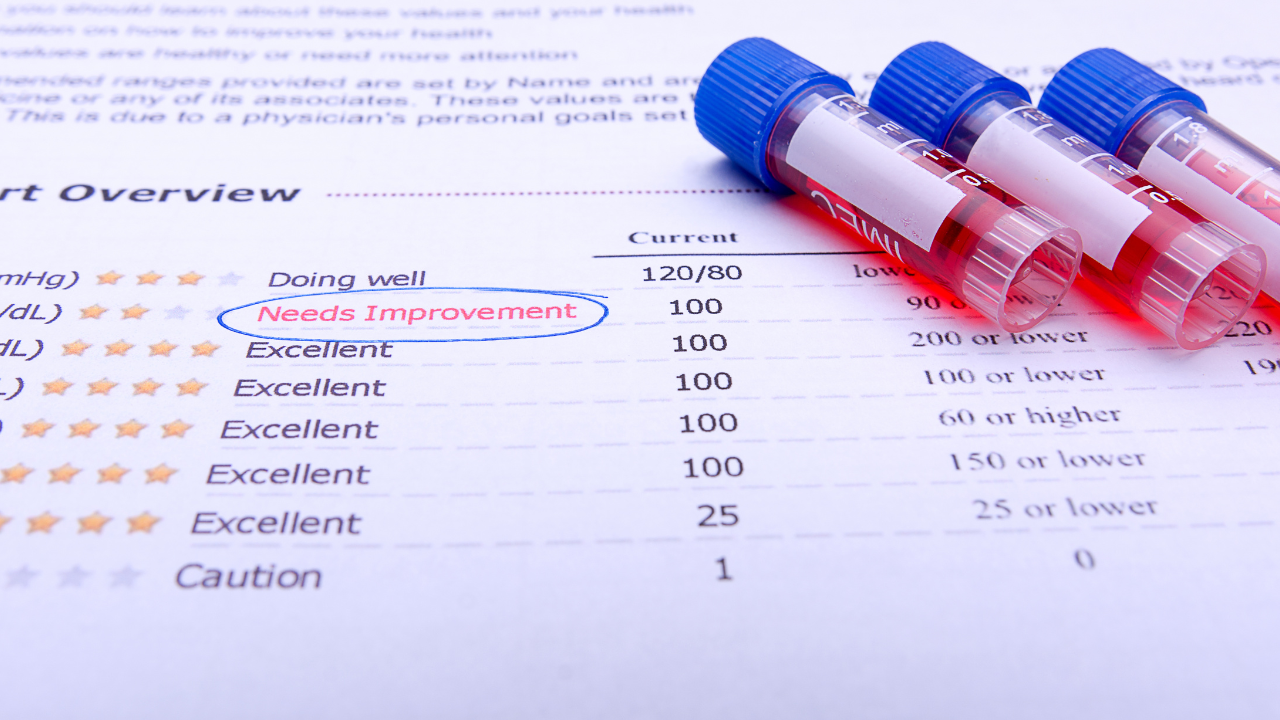
You finally decide to get tested. Your labs come back “normal.” But you still feel exhausted, anxious, inflamed, or unlike yourself.
Why does that happen?
Lab Ranges Are Broad
Traditional lab ranges are often designed to identify disease, not necessarily optimal function.
You may technically fall inside the normal range while still experiencing symptoms.
Hormones Fluctuate
Hormones naturally change throughout the day, month, and different seasons of life.
One snapshot may not tell the whole story.
Hormones Are Connected
Even if one hormone appears normal, another system may be contributing to symptoms.
For example:
- Chronic stress
- Poor sleep
- Nutrient deficiencies
- Gut dysfunction
- Inflammation
- Blood sugar instability
- Nervous system dysregulation
All of these can influence how you feel.
Common Causes of Hormone Imbalance
There is rarely one single cause.
Instead, many people are dealing with layers of stress on the body over time.

Some common contributors include:
- Chronic stress
- Poor sleep
- Blood sugar dysregulation
- Processed food and inflammation
- Nutrient deficiencies
- Gut dysfunction
- Perimenopause or menopause
- Low testosterone
- Thyroid dysfunction
- Sedentary lifestyle
- Overtraining
- Environmental toxins
- Birth control changes
- Pregnancy and postpartum changes
- Chronic illness or infections
Every person’s story is different.
That’s why personalized care matters.
What Helps Support Hormone Health Naturally?

There is no magic supplement or quick fix.
Hormone health is usually about helping the body function better as a whole.
That may include:
Prioritizing Sleep
Sleep is foundational for hormone regulation.
Poor sleep affects cortisol, insulin, hunger hormones, recovery, mood, and metabolism.
Managing Stress
You cannot remove all stress from life but helping the nervous system regulate can make a huge difference.
That may include:
- Exercise
- Walking
- Deep breathing
- Time outside
- Reducing overstimulation
- Therapy or counseling
- Nervous system-focused care
Improving Nutrition
Balanced meals with protein, healthy fats, fiber, and nutrient-dense foods can help stabilize blood sugar and support hormone production.
Supporting Movement
Exercise supports insulin sensitivity, stress regulation, circulation, metabolism, and overall hormonal health.
The goal is consistency, not perfection.
Looking at the Bigger Picture
Sometimes the most important question is not:
“What hormone is broken?”
But rather:
“Why is the body struggling to regulate in the first place?”
When Should You Seek Help?

You do not need to wait until symptoms become severe.
If you consistently feel unlike yourself, it may be worth exploring further.
Especially if you are experiencing:
- Persistent fatigue
- Weight changes
- Brain fog
- Mood changes
- Sleep issues
- Irregular cycles
- Hot flashes
- Low libido
- Chronic stress
- Digestive problems
- Difficulty recovering from workouts
- Feeling overwhelmed or burnt out
These symptoms are common, but they are not always normal.
A More Whole-Body Approach to Hormone Health
At Team Health Care Clinic, we take a more comprehensive approach to understanding why someone may feel “off.”
Instead of looking at hormones in isolation, our team often looks at how the brain, body, chemistry, stress response, movement patterns, nutrition, sleep, and lifestyle may all be interacting together.
Because for many people, hormone imbalance is not just about hormones.
It’s about the body asking for support.
And sometimes the first step toward feeling better is finally understanding what your symptoms may actually be trying to tell you.
