



You slept for eight hours.
Maybe even nine.
But instead of waking up refreshed, you wake up exhausted and tired. Your body feels heavy. Your mind feels foggy. It takes multiple alarms, caffeine, or hours to finally feel functional. You often find yourself feeling tired throughout the day.
If this sounds familiar, you are not alone.

Many people assume fatigue simply means they need more sleep. But often, the issue is not just the amount of sleep you are getting. It may be how well your body is recovering during the night.
At Team Health Care Clinic, we commonly see patients struggling with chronic fatigue, poor recovery, brain fog, low energy, and non-restorative sleep. In many cases, underlying stress on the brain, nervous system, hormones, or overall health may be contributing to the problem.
The good news is that there are often ways to improve both sleep quality and daytime energy.
Symptoms

People who wake up tired despite a full night of sleep may experience:
Feeling tired can be a persistent issue for many individuals.
Feeling tired can be a persistent issue for many individuals, and it is essential to address the reasons why you feel tired.
- Morning fatigue
- Brain fog
- Difficulty concentrating
- Low motivation
- Irritability
- Frequent waking during the night
- Snoring or restless sleep
- Needing caffeine to function
- Daytime sleepiness
- Poor workout recovery
- Increased anxiety or stress
- Feeling mentally exhausted
Some people describe feeling like they “never fully recharge.”
Causes
There are many possible reasons someone may wake up feeling exhausted.
Poor Sleep Quality
Even if you are asleep for enough hours, your body may not be reaching deep restorative sleep consistently.

Common contributors include:
- Stress
- Excess screen time before bed
- Irregular sleep schedules
- Pain or discomfort
- Blood sugar instability
- Nervous system overstimulation
Chronic Stress and Nervous System Imbalance
When the body stays in a constant stress response, it becomes harder to fully relax and recover during sleep.
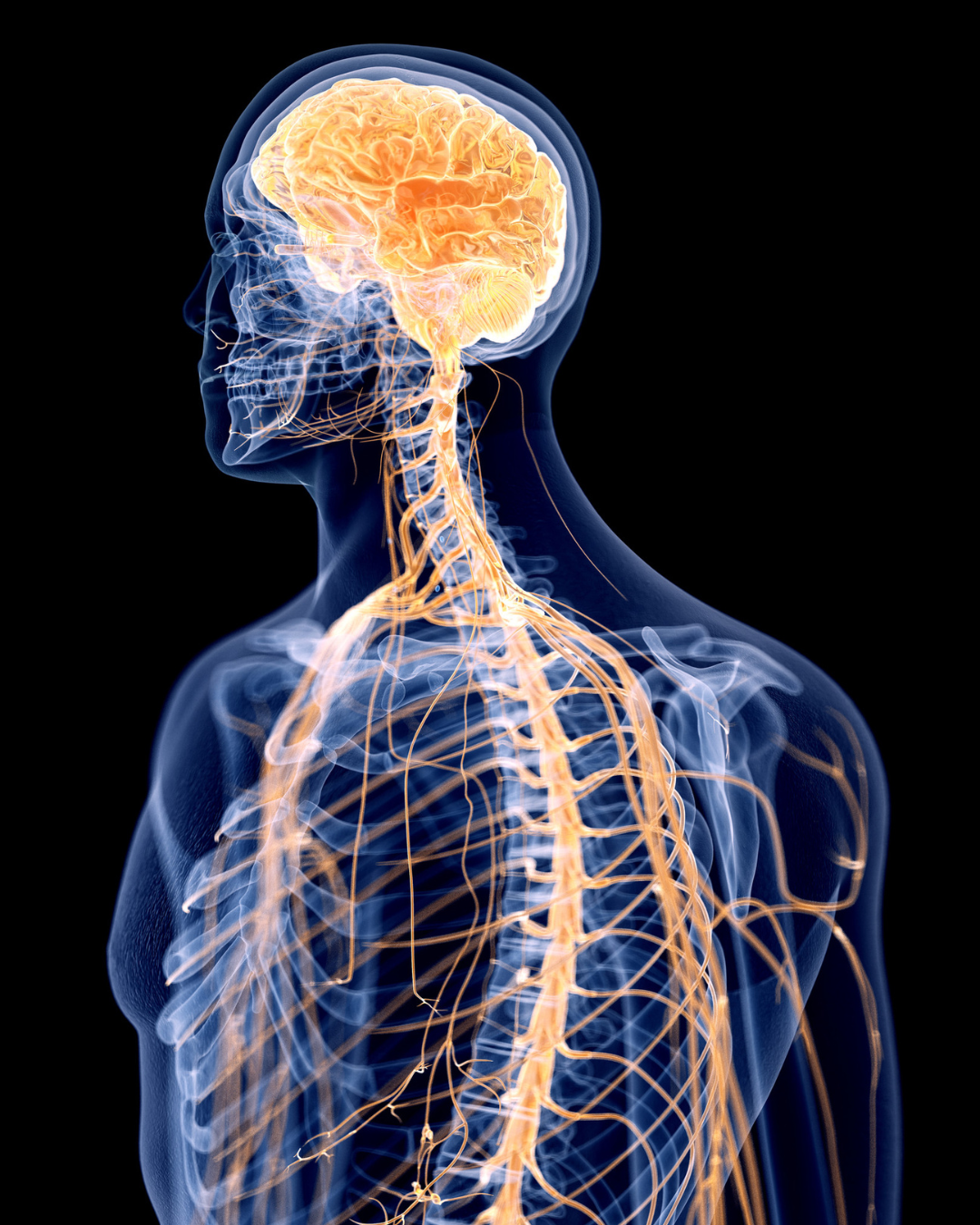
At Team Health Care Clinic, we often explain this as the nervous system being “stuck in overdrive.” Even if the body appears asleep, the brain and nervous system may still be functioning in a heightened state.
This may contribute to:
- Light sleep
- Frequent waking
- Muscle tension
- Persistent tired feelings
- Racing thoughts
- Morning exhaustion
Hormonal Imbalances

Hormones help regulate sleep, energy production, metabolism, and recovery.
Issues involving:
- Cortisol
- Thyroid function
- Blood sugar regulation
- Inflammation
may contribute to chronic fatigue and poor sleep quality.
Sleep Apnea or Breathing Issues
Interrupted breathing during sleep may prevent the brain from entering deeper restorative stages of sleep.

Common signs may include:
- Snoring
- Waking up gasping
- Morning headaches
- Continual tiredness throughout the day
- Dry mouth
- Excessive daytime fatigue
Brain and Neurological Stress

Sometimes the issue is not just physical fatigue, but mental fatigue.
At Team Health Care Clinic, our team often works with patients experiencing:
When addressing why you feel tired, it is vital to consider both physical and mental factors.
-
- Brain fog
- Difficulty focusing
- Sensory overload
- ADHD-related fatigue
- Anxiety-related exhaustion
- Nervous system dysregulation
Our patients often express how tired they feel and how it affects their daily routines.
When the brain is constantly overworking or struggling to regulate properly, it can significantly affect energy levels and sleep recovery.
How Team Health Care Clinic May Help
At Team Health Care Clinic, we believe it is important to look beyond the symptom of fatigue itself and understand what may be contributing underneath the surface.
Our clinic takes a whole-body approach by evaluating how the:
- Brain
- Nervous system
- Hormones
- Movement patterns
- Nutrition
- Stress response
- Inflammation
- Overall health
may all be connected.
Depending on the individual, care may include different combinations of services designed to support recovery, regulation, and overall function.
Chiropractic Care and Nervous System Support
The spine and nervous system work closely together.
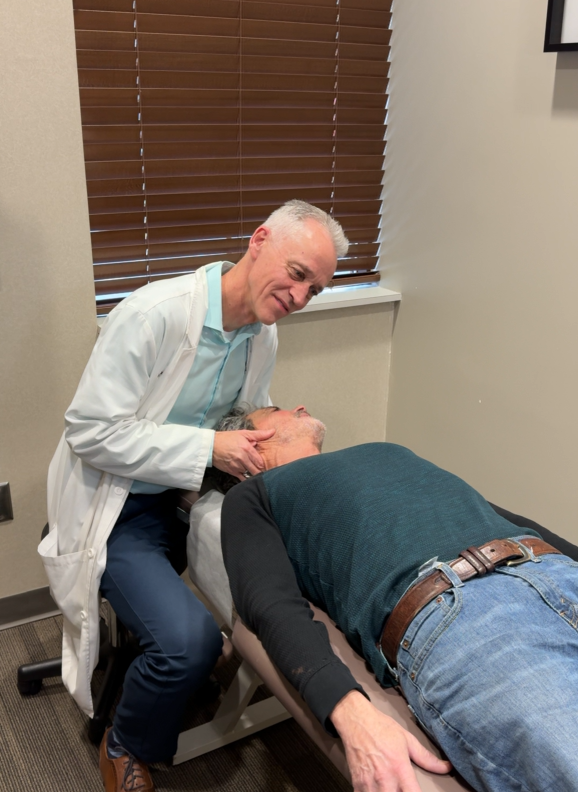
When the body is under physical stress, tension, or dysfunction, it may affect how the nervous system communicates and regulates itself.
Chiropractic care may help support:
- Nervous system function
- Stress regulation
- Mobility
- Muscle tension
- Overall recovery
Many patients report improvements in:
- Sleep quality
- Relaxation
- Energy
- Physical tension
Functional Medicine Approaches
Sometimes fatigue is connected to deeper metabolic or inflammatory issues.

Our functional medicine team may help evaluate factors such as:
- Hormone balance
- Nutritional deficiencies
- Blood sugar regulation
- Inflammation
- Feeling tired can impact your social interactions
- Digestive health
- Lifestyle stressors
Instead of simply masking symptoms, the goal is often to better understand why the body may be struggling to recover properly.
Brain Performance and Neurological Support
If you are tired all the time, it may be time to seek help.
For patients dealing with brain fog, overstimulation, difficulty focusing, anxiety, or neurological fatigue, our Brain Performance Center may help evaluate how the brain and nervous system are functioning.

Depending on the person, therapies may focus on supporting:
- Brain regulation
- Neuroplasticity
- Sensory processing
- Attention and focus
- Nervous system balance
Many people are surprised to learn how strongly brain function and nervous system regulation can affect sleep and energy levels.
Physical Therapy and Recovery
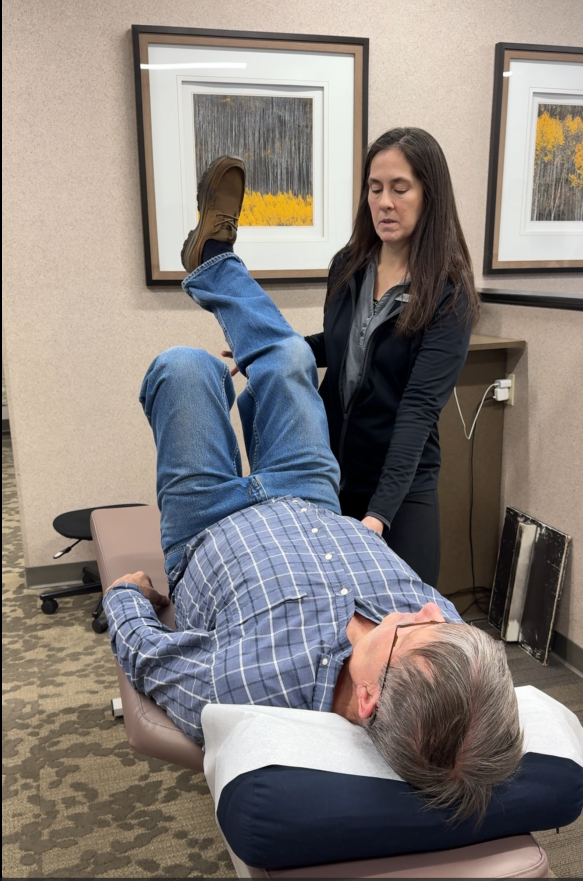
Physical stress on the body may also contribute to poor sleep.
Chronic pain, tension, posture problems, or poor movement patterns can make it harder for the body to fully relax at night.
What You Can Do at Home
While professional evaluation may be important for persistent fatigue, there are also several things people can begin doing at home to support better sleep and energy.
By changing habits, you may find relief from feeling tired.
Create a Consistent Sleep Schedule
Try to go to bed and wake up at similar times every day, even on weekends.

Consistency helps regulate the body’s internal clock.
Reduce Screen Time Before Bed
Phones, tablets, and televisions can overstimulate the brain and interfere with melatonin production.

Limiting screens before bed may improve sleep quality.
Support Blood Sugar Stability
Large amounts of sugar or processed foods late at night may contribute to energy crashes and disrupted sleep.

Practices that may help include:
- Walking
- Stretching
- Prayer
- Deep breathing
- Exercise
- Journaling
- Mindfulness
- Spending time outdoors
Improve Your Sleep Environment
A cool, dark, quiet room may improve restorative sleep.

Some people also benefit from:
- Blackout curtains
- White noise
- Reducing late-night stimulation
- Avoiding caffeine later in the day
It is crucial to prioritize rest and recovery when you feel tired.
Prioritize Nervous System Recovery
Many people focus only on productivity and push through exhaustion for years.

But true recovery matters.
Many people ignore their tired feelings, but acknowledging them is essential for well-being.
Your body was designed to rest, repair, and heal. Chronic fatigue is often a sign that the body may need additional support.
When to Seek Help
You may want to seek professional evaluation if:
-
- You constantly wake up tired
If you find yourself frequently waking up tired, it may indicate a larger issue.
-
- Fatigue lasts for weeks or months
- Sleep never feels restorative
- Brain fog affects daily life
- You rely heavily on caffeine
- You struggle with anxiety or nervous system overload
- You suspect hormonal or neurological issues
Consider your emotional state, as it can leave you feeling tired.
Final Thoughts
Ultimately, addressing why you feel tired can lead to better health outcomes.
Waking up tired after a full night of sleep is common, but it should not always be considered normal.
Often, fatigue is connected to much more than sleep alone. Stress, nervous system dysfunction, hormones, inflammation, brain health, nutrition, and recovery all play important roles.
At Team Health Care Clinic, our goal is to help patients better understand what may be contributing to their symptoms and support them with a comprehensive approach to health and healing.
Because when your body is functioning well, sleep should help you feel restored!
